Automating Quotes and Invoicing: The Highest-ROI Automation Nobody Builds
Updated
Everyone wants an AI chatbot. Almost nobody automates the quote-to-invoice chain - which is where the money and the wasted hours actually are.
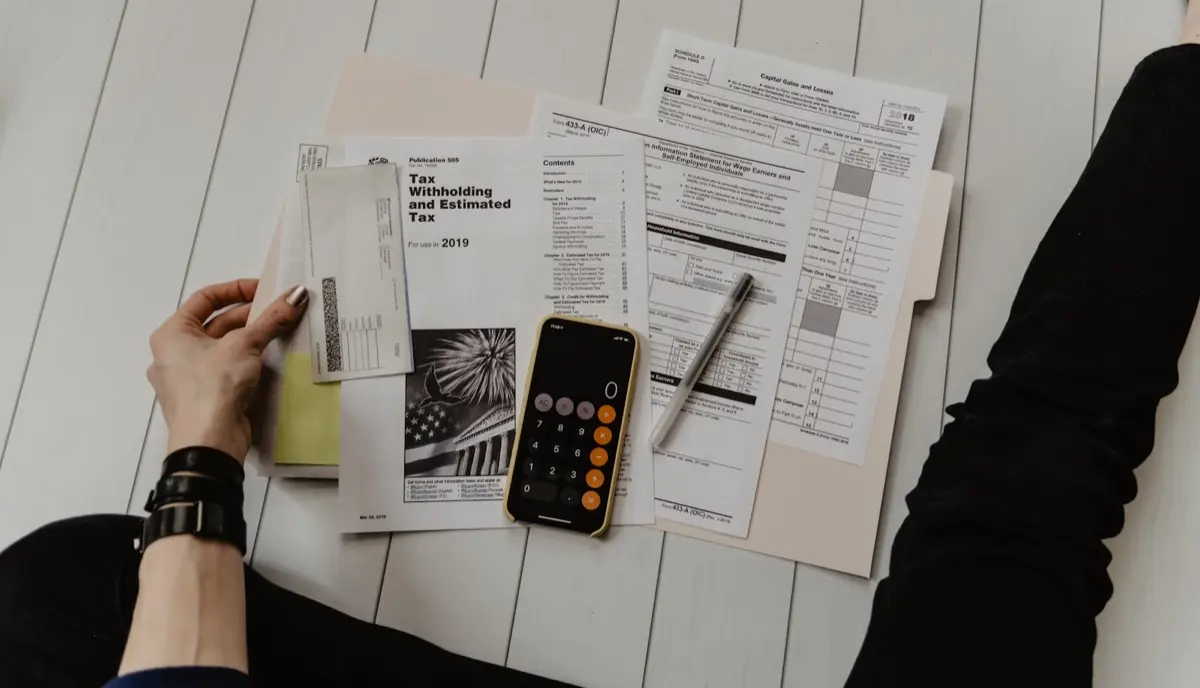
Ask a services business where its time goes and you will hear about client work. Look at the calendar and you will find something else: rebuilding the same proposal for the ninth time, chasing an approval, re-keying the accepted quote into an invoice, and then chasing payment. That chain - quote to cash - is the most automatable process in the company, and the least automated.
Why it stays manual
Because it feels bespoke. Every client is different, every project has a nuance, and the person doing it believes their judgement is required at each step. In practice, ninety percent of a proposal is assembled from a finite library of scope blocks, rates and terms. The judgement lives in choosing the blocks and setting the price - which takes minutes. The other two hours are formatting.
The chain, step by step
- Structured intake. A qualification form or an assistant that captures scope, timeline and budget in consistent fields - not a free-text email you re-read three times.
- Assisted drafting. Scope blocks pulled from a library, pricing computed from your rate rules, a first draft generated in seconds for you to adjust.
- One-click delivery. A tracked, branded proposal with e-signature. You know when it was opened, which section was read, and when it expires.
- Acceptance triggers everything. Signature creates the project, provisions the folder, notifies the team, schedules kickoff and generates the deposit invoice with no re-keying.
- Payment follow-up runs itself. Polite reminders on a defined cadence, escalating to a human only when a genuine conversation is required.
What changes in the numbers
- 2h → 15min to produce a complete proposal
- -40% average days sales outstanding
- ~0 invoices lost between acceptance and billing
The speed effect on win rate is underrated. In competitive US service markets, the first credible proposal on the table frequently sets the frame for the entire negotiation. Reducing turnaround from three days to three hours is a commercial advantage before it is an efficiency gain.
Where AI genuinely helps - and where it does not
- Helps: drafting the narrative sections from structured inputs, summarizing a discovery call into scope items, flagging when a quote deviates from your standard margins.
- Helps: reconciling payments against invoices and explaining mismatches in plain language.
- Does not help: setting your prices. Pricing is strategy, and a model averaging its training data will quietly push you toward the market median.
- Does not help: legal terms. Template them once with a lawyer, then treat them as fixed blocks, never as generated text.
Building it without a six-month project
Start with one document type - the proposal you send most often - and automate only its assembly. Ship that in two weeks, measure the time saved, then extend to acceptance and invoicing. Teams that try to model every edge case up front spend months building configuration screens for scenarios that occur twice a year.
The small data model this rests on
Every quote-to-cash automation that survives contact with a real business sits on the same handful of objects. Get them right on one page before anyone opens a tool.
- A rate card that is the single source of prices, which is one of the three signals that a business has outgrown an off-the-shelf CRM. If three people keep their own version in a spreadsheet, automation will faithfully reproduce three different quotes for the same job.
- Scope blocks: the reusable paragraphs that describe what you deliver, written once, approved once, reused everywhere.
- A project that a signature creates, carrying the accepted amount, the milestones and the terms across into delivery and billing without re-keying.
- Statuses that mean something operationally: drafted, sent, opened, accepted, invoiced, part-paid, paid, overdue. Each one should trigger something or it does not deserve to exist.
A reminder cadence that gets you paid
- Three days before the due date, a short friendly note with the invoice and a payment link. Half of late payments are simply forgotten, and this one catches them.
- On the due date, a factual reminder. No apology, no threat, just the amount, the reference and the link.
- Seven days late, restate the terms and name the next step, still automated and still polite.
- Fourteen days late, stop automating. A person calls. By this point the silence means something, and only a conversation finds out what.
- At any point, a partial payment or a reply pauses the sequence. Nothing damages a relationship faster than a bot chasing an invoice the client settled yesterday.
What to watch once it runs
- hours → minutes from enquiry to proposal sent
- % accepted by proposal template, not by salesperson
- days between acceptance and invoice, which should be zero
Acceptance rate by template is the metric nobody tracks and everybody should. Once proposals are assembled from blocks, you can finally see which scope wording, which pricing structure and which validity period actually close, instead of arguing about it. That feedback loop is worth more over a year than the hours the automation saves.
Automate the ninety percent that repeats. Keep the ten percent that requires judgement, and give it your full attention.
Frequently asked questions
Do I need to replace my accounting software?
Almost never. Modern accounting platforms expose APIs, so automation sits on top: the quote system creates the invoice inside the tool your accountant already uses. Replacing accounting software is a large, low-reward project you should avoid unless it is genuinely the blocker.
Is an automated proposal less persuasive?
Only if it reads as generic. Automation should remove formatting and assembly time, not personalization - the freed hours are best spent on the executive summary and the pricing conversation, which are what actually win the deal.
How long does quote-to-cash automation take to implement?
A focused first phase covering proposal generation and e-signature typically takes two to four weeks. Extending to invoicing, payment reconciliation and reminders adds a further three to six weeks depending on how cleanly your accounting tool exposes its API.
How do deposits and milestone billing fit in?
They are the reason to automate acceptance rather than just drafting. The accepted quote already contains the schedule, so signature generates the deposit invoice immediately and the milestone invoices land on their trigger, whether that is a date or a delivered phase. Doing this by hand is where money is most often left uninvoiced, because the deposit is remembered and the third milestone, four months later, is not.
Do automated reminders damage client relationships?
Badly written ones do, and so does the alternative, where a partner eventually sends an awkward personal email about a two-month-old invoice. A neutral, predictable cadence takes the emotion out of it: the client knows the reminder is systematic and not a judgement. The rules that keep it civil are simple. Stop on any reply, stop on partial payment, and hand over to a human before the tone would have to change.
More on this topic: Automation.
Keep reading
Want this built for your business? See what we do.