WhatsApp, SMS or Email? Choosing the Channel by Message Type
Every channel has a job. Sending everything through the one with the best open rate is how you destroy the best open rate.
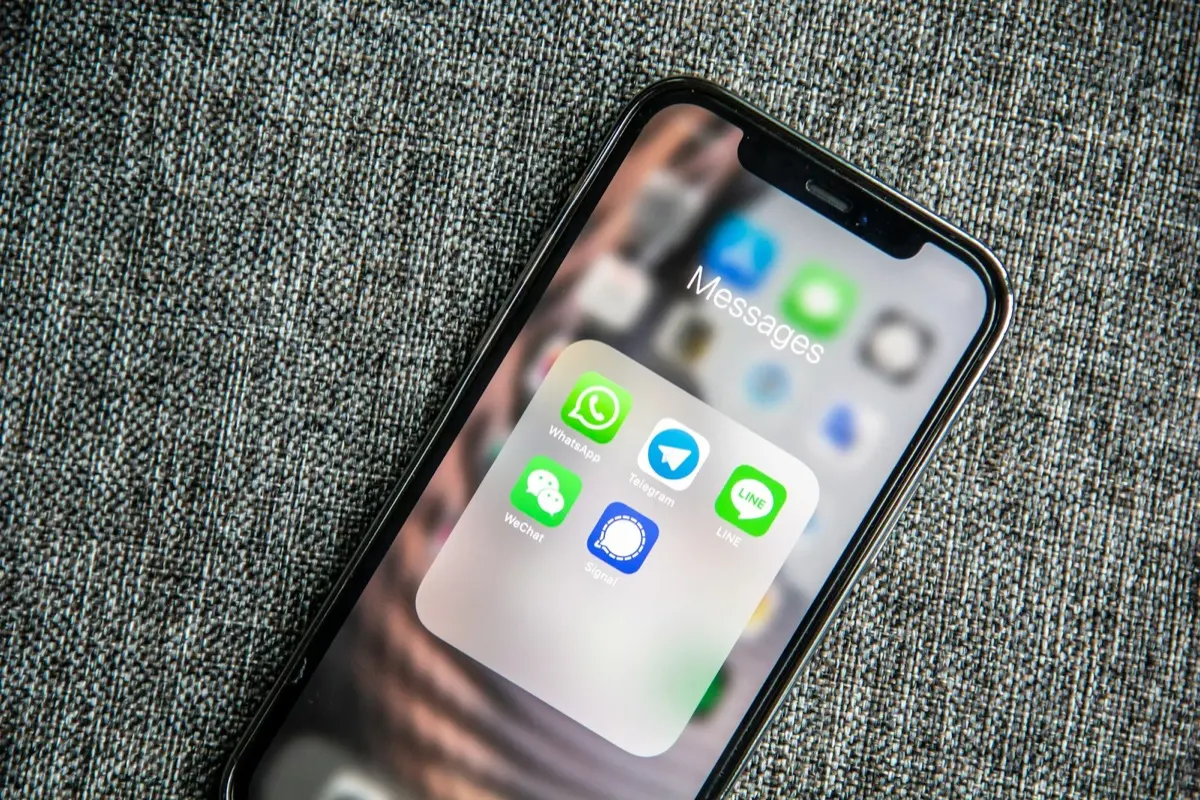
When a channel outperforms, the reflex is to move more messages onto it. That reflex is what kills it: the open rate was high because the channel was reserved for things that mattered, and volume converts a signal into noise.
Match the message to the channel
- SMS: time-critical and short. Delivery windows, one-time codes, appointment reminders, urgent service updates. Expensive per message and read within minutes.
- WhatsApp: conversational and two-way. Support, booking coordination, quote follow-up in markets where it is the default channel. Template rules apply outside the service window.
- Email: detailed and referenceable. Invoices, confirmations, documentation, anything the recipient may need to find again in six months.
- In-app or push: relevant only to active users, and worthless for anyone who has not opened the app in a month.
The consent rules are not the same
US SMS marketing requires express written consent and carries statutory penalties per message for violations — this is one of the few channels where getting it wrong is genuinely expensive. WhatsApp business messaging requires opt-in for template categories outside a service window. Email requires a working unsubscribe and honest sender identification. Treating all three as one 'messaging' permission is a compliance failure waiting to be found.
Cost per outcome, not per message
SMS costs cents per message; email costs a fraction of one. But a delivery notification that prevents one support call has paid for hundreds of messages. Compare channels on cost per resolved outcome rather than on send price, and the ranking usually inverts. If you would rather have it built than described, that is what our automation work covers.
- minutes SMS read time
- 24h WhatsApp service window
- 1 channel per message type
Frequently asked questions
Can we use one channel for everything?
You can, and you will over-message on it. Reserving SMS for genuinely urgent messages is what keeps its open rate high; using it for everything trains recipients to ignore it, and you lose the channel you actually needed.
How do we handle customers who reply on the wrong channel?
Accept it and route it. Customers reply where they received the message, or where they find you first. A shared inbox that consolidates channels into one thread per customer is worth building before adding a third channel.
More on this topic: Automation.
Keep reading
Want this built for your business? See what we do.