AI Product Imagery: What It Replaces and What It Must Not
AI can replace the photo studio for context shots. It must never replace the photo of the product itself - and the line matters legally.
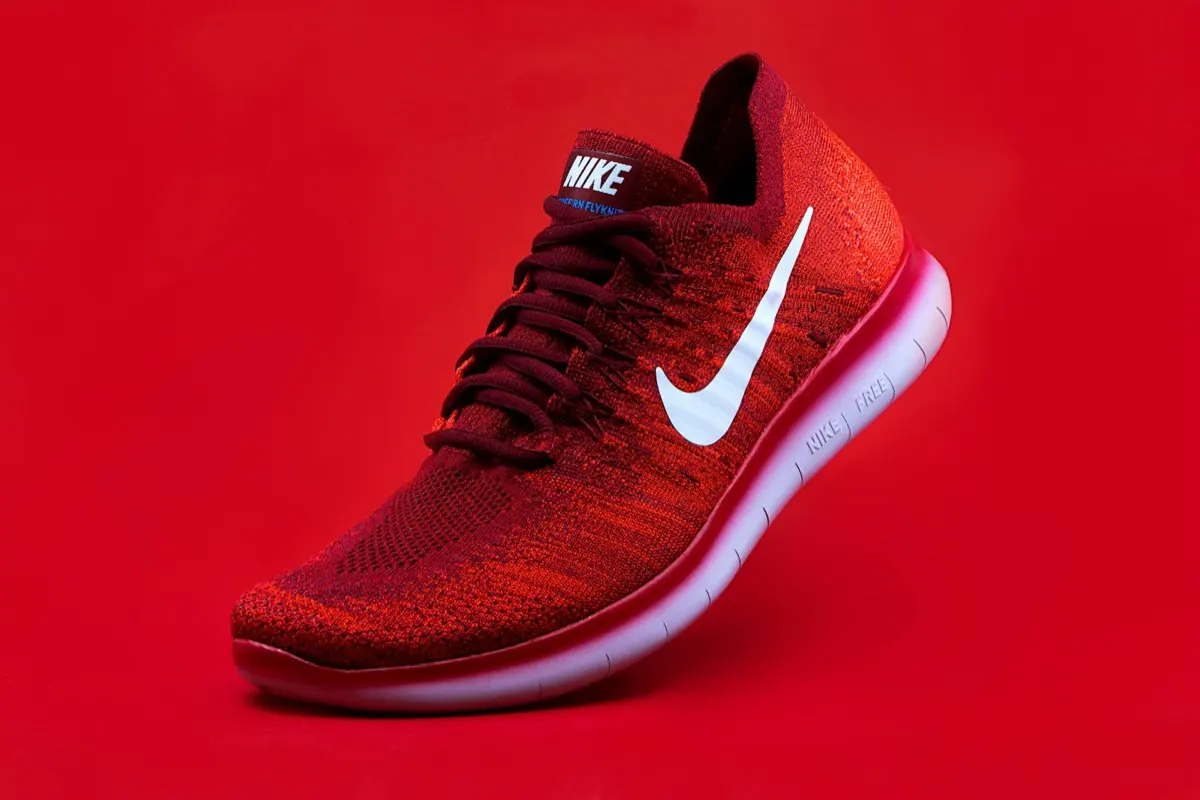
Product photography is a recurring cost that scales with catalogue size: studio time, a photographer, retouching, and the whole cycle again next season. Generated imagery removes a large part of that - provided you are precise about which part.
What it replaces well
- Context and lifestyle shots: the same real product placed in a kitchen, an office, outdoors, on a model's desk.
- Background replacement and consistent studio lighting across a catalogue shot over two years by three people.
- Seasonal variants of an existing campaign image, produced in an afternoon rather than a shoot.
- Format adaptation - the same asset correctly composed for a marketplace square, a story, a banner.
What it must never replace
The photograph of the actual product. Generating the item itself - its texture, its stitching, its colour, its proportions - produces an image of something you do not sell. In the US that is straightforwardly deceptive advertising, and it is also the fastest route to returns, chargebacks and marketplace suspension. The rule that keeps you safe is simple: the product is photographed, the world around it may be generated. It is also how we scope AI integration engagements, evaluation set first, model second.
The workflow that stays consistent
- Shoot the product once, properly, on a clean background with even lighting.
- Generate contexts from that asset rather than from a text description, so the product stays identical across every image.
- Lock a style - lighting direction, colour temperature, camera height - and apply it catalogue-wide. Inconsistency reads as amateur faster than any individual image quality issue.
- Human review before publication. Generated hands, reflections and text remain the common giveaways.
- 1 real photograph per product, always
- 1 locked visual style per catalogue
- 0 generated claims about the product itself
Frequently asked questions
Do marketplaces allow AI-generated imagery?
Policies vary and are tightening. Most permit generated backgrounds and context while requiring the product itself to be accurately represented. Check the specific policy of each channel before a catalogue-wide rollout.
Do we need to disclose that images are AI-assisted?
Disclosure requirements are expanding in several jurisdictions, and some platforms already ask. Even where it is not required, a short note in your imagery policy costs nothing and protects you if the question is ever raised.
More on this topic: Artificial Intelligence.
Keep reading
Want this built for your business? See what we do.